
The Sattvic diet for PCOD has become one of the most talked-about approaches to mindful eating in 2026, as more women shift towards simple, pure, and healing foods. This diet emphasizes natural, unprocessed ingredients that help the body feel lighter, healthier, and more balanced.
Living with PCOD can be overwhelming at times, especially when your body and routine don’t align with what you expect from them. That’s why many women are now exploring natural food patterns to regain control of their health—making the Sattvic diet a popular and promising choice.
Diet Mantra by Monika offers expert guidance in terms of healthy living and clean eating advice, making the area one of the premier places for professional guidance on these matters.
This blog covers what a sattvic diet means and its relationship to PCOD treatment, including how we can incorporate changes to everyday meals without feeling discouraged by making these lifestyle changes part of our daily routine.
Table of Contents
What is a Sattvic Diet?
A Sattvic diet is an approach to eating that emphasizes foods that bring calmness, clarity, and balance to both mind and body. Sattvic meals focus on using fresh, plant-based, seasonal, and natural food sources that nourish hormones without overburdening systems or overspending on calories.
Sattvic in one word, means “pure.”
The goal is simple.
Focus on foods that lift your energy instead of draining it. Just like a garden needs pure water and sunlight to thrive, your body grows best with natural, nourishing foods. A sattvic diet works similarly—by giving hormones the right “soil,” your healing begins on the inside!
Why Choose a Sattvic Diet for PCOD in 2026?
In recent years, women with PCOD have struggled with weight gain, acne outbreaks, mood swings, irregular cycles, and inflammation—symptoms associated with PCOS, which doctors and nutritionists say diet plays a pivotal role in managing. They believe diet plays the most crucial part in helping balance hormones.
In 2026, many wellness communities are promoting a sattvic lifestyle because it:
- Reduces inflammation naturally
- Improves digestion
- Balances hormones slowly and steadily
- Supports emotional health
- Stabilizes blood sugar
- Reduces cravings
- Promotes healthy ovulation patterns
The sattvic diet for PCOD is not a strict diet. Instead, it is a lifestyle that helps you feel calmer and more in sync with your body.
Advantages of Following a Sattvic Diet for PCOD
Here’s how a Sattvic diet naturally helps your body manage PCOD more effectively:
1. Hormonal Balance
Sattvic foods like fresh vegetables, fruits, whole grains, and nuts help regulate sugar levels—this in turn allows hormone levels to balance and is essential in managing PCOD effectively.
2. Reduced Inflammation
PCOD and inflammation often go arm in arm; one way of combatting hormonal distress and aiding your body’s healing more quickly after experiencing them is eating anti-inflammatory sattvic foods.
3. Better Digestion
Good digestive health benefits metabolism, nutrient absorption, and gut health and all factors that impact the menstruation cycle properly.
4. Natural Weight Management
Sattvic diets typically consist of restricting processed and sugary food from their diet, helping women shed excess weight without dieting aggressively.
5. Improved Mood and Energy
Hormonal imbalance often manifests emotionally, while Sattvic meals help calm your nervous system to help reduce mood swings while increasing energy.
Now that you know the benefits, let’s look at the core principles that make the Sattvic diet effective for PCOD.
Best Foods in a Sattvic Diet for PCOD
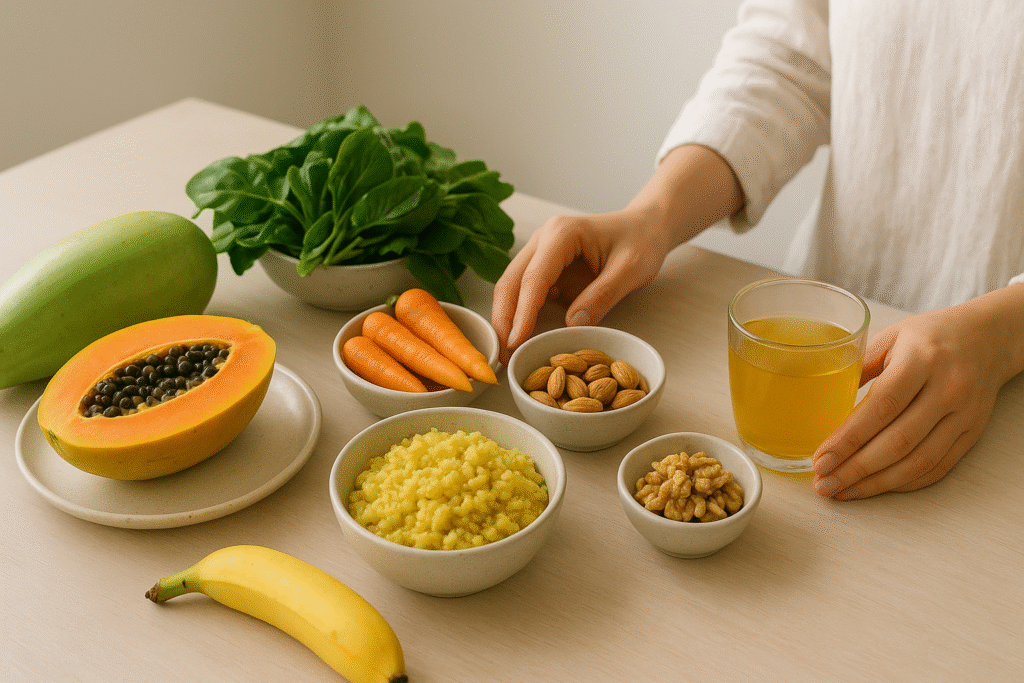
- Fresh Fruits: Papaya, apples, pears, grapes, pomegranate, and berries all support hormone healing.
- Vegetables: Bottle gourd, ash gourd, spinach, carrot, beetroot, pumpkin, and green beans help detoxify the body.
- Whole Grains: Brown rice, millet, quinoa, and whole wheat help provide sustained energy.
- Nuts and Seeds: Almonds, walnuts, pumpkin seeds, and flaxseeds support ovulation & hormonal balance.
- Herbal Drinks: Cinnamon water Ajwain water Fennel tea and tulsi tea are herbal drinks that reduce bloat.
- Healthy Fats: Ghee, coconut, and olive oils all support hormone production without inflaming inflammation in the body.
While eating foods high in sattvic food groups will provide important nourishment and balance hormonal levels, it’s also wise to stay aware of foods that could worsen PCOD symptoms.
Foods to Avoid in a Sattvic Diet for PCOD
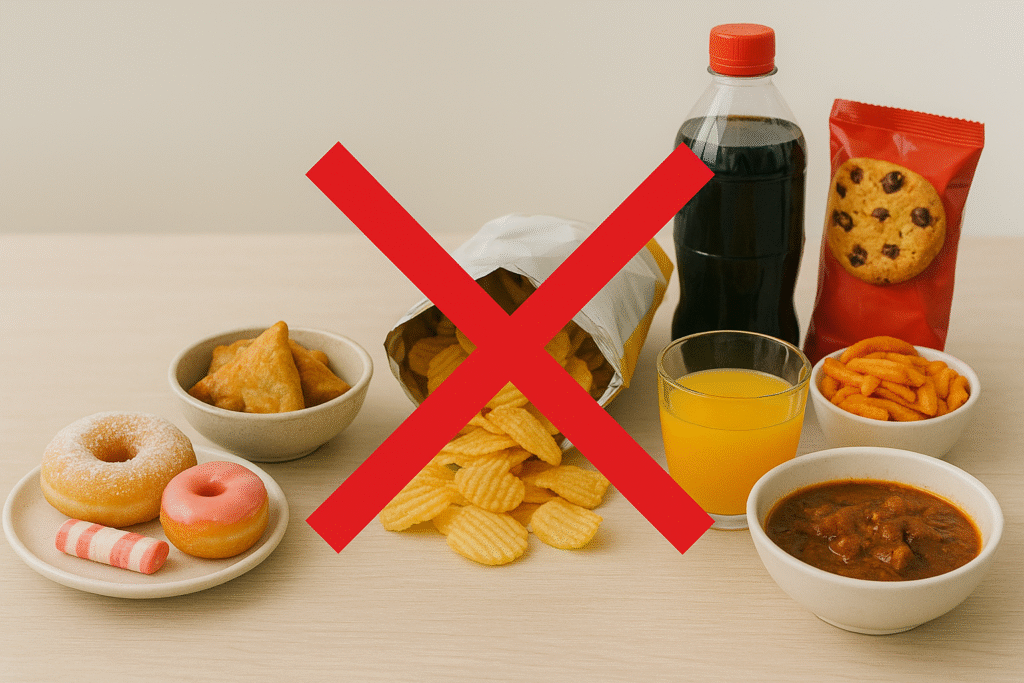
- Sugar and sweets: They increase insulin levels, worsening PCOD symptoms.
- Fried and Oily Foods: These slow digestion down further while creating inflammation.
- Junk Food and Packaged Snacks: Chips, cookies, and packaged juices all disrupt hormonal imbalance.
- Excess Spicy Foods: Excess spice increases heat in the body and can have adverse effects on hormone balance.
- Heavy Non-Vegetarian Foods: An optimal diet in accordance with Sattvic philosophy typically does not contain meat, as this substance can be perceived to be heavy and dull.
A Simple Sattvic Meal Plan for PCOD
| Time | Food/Drink |
| Early Morning | First glass of warm, lemon-infused water cinnamon-infused water |
| Breakfast | Vegetable poha with moong dal cheela & fresh seasonal fruit with nuts |
| Mid-Morning Snack | Coconut water, brown rice or millet khichdi |
| Lunch | Mixed vegetable sabzi Curd (optional if digestion allows) |
| Evening Snack | Herbal tea with tulsi, ginger, or fennel as your evening snack. Roasted chana (Chickpeas), Light vegetable soup |
| Dinner | Light vegetable soup with steamed vegetables & moong dal |
This type of meal schedule is gentle on the stomach and keeps blood sugar stable throughout the day.
Lifestyle Habits That Support a Sattvic Diet for PCOD
- Light yoga practice: It can help to reduce stress and improve circulation.
- Daily Sunlight: Vitamin D plays an integral part in menstrual health.
- Early Bedtime: Sleep quality plays an essential role in maintaining optimal insulin and menstrual balance.
- Mindful Eating: Avoid screens while eating. Instead, pay attention to each bite you take slowly before swallowing your meal whole.
Analogy: How the Sattvic Diet Can Repair Hormones
“Imagine one string becoming stretched taut or loose; its sound no longer corresponds with the other in harmony.”
PCOD could be described as such an imbalance, where hormones don’t line up correctly with production and release, leading to symptoms caused by misalignments between their production and release.
Just as any instrument needs gentle tuning to bring each note back into harmony, your hormones require proper attention so as to find their natural rhythm again; when one goes haywire, its impact ripples throughout your system, leading to fatigue, irregular cycles, mood swings, or weight changes.
Scenario Example: A Day in the Life of Someone Using the Sattvic Diet for PCOD
One day with someone utilizing the sattvic diet for PCOD
Imagine yourself taking on the Sattvic diet: as soon as you wake up, sip warm cinnamon water to kickstart digestion; for breakfast, enjoy moong dal cheela to maintain energy for lunch; choose healthy lunch options like khichdi with vegetables instead of anything fried; and before ending the day, sip herbal tea followed by light soup—this would be what life looks like with this approach to healthy living.
Conclusion
As of 2026, a sattvic diet for PCOD involves eating whole, fresh foods that support hormone health. By gradually eliminating processed and heavy food items from our diets, we create long-term healing through this lifestyle—practicing it daily will leave you feeling lighter, healthier, and more balanced than before.
If you want simple guidance, easy recipes, and daily motivation, you can follow on Instagram and YouTube.
Start today—take one small step toward a cleaner, calmer, and healthier you. For more information, visit the official website and book your appointments, as Diet Mantra by Monika provides one of the top clinics for PCOD treatment in Gurgaon.
Frequently Asked Questions
1. Can a Sattvic diet aid PCOD naturally?
A Sattvic diet reduces inflammation, supports digestion, and balances insulin production—three major triggers associated with PCOD.
2. Do I need the sattvic diet for PCOD if my schedule is busy?
Absolutely—it is simple, and most sattvic meals (fruit, steamed vegetables, khichdi, and dal), as well as herbal drinks, can easily fit into a busy lifestyle.
3. Are dairy products allowed as part of this diet for PCOD?
Small amounts of curd or milk may be beneficial if they help your digestion; otherwise, they should be avoided.
4. How long will it take before I see results with the Sattvic Diet for PCOD?
Many individuals begin feeling changes within 6-8 weeks; full hormonal balance could take several months depending on individual body composition.
5. Can the Sattvic diet be combined with modern PCOD treatments?
Absolutely. Your treatment will be more successful if you follow a diet that includes nutritious foods that support healing; for more help with nutrition or general medical guidance, see reputable organizations.
Recent Comments