
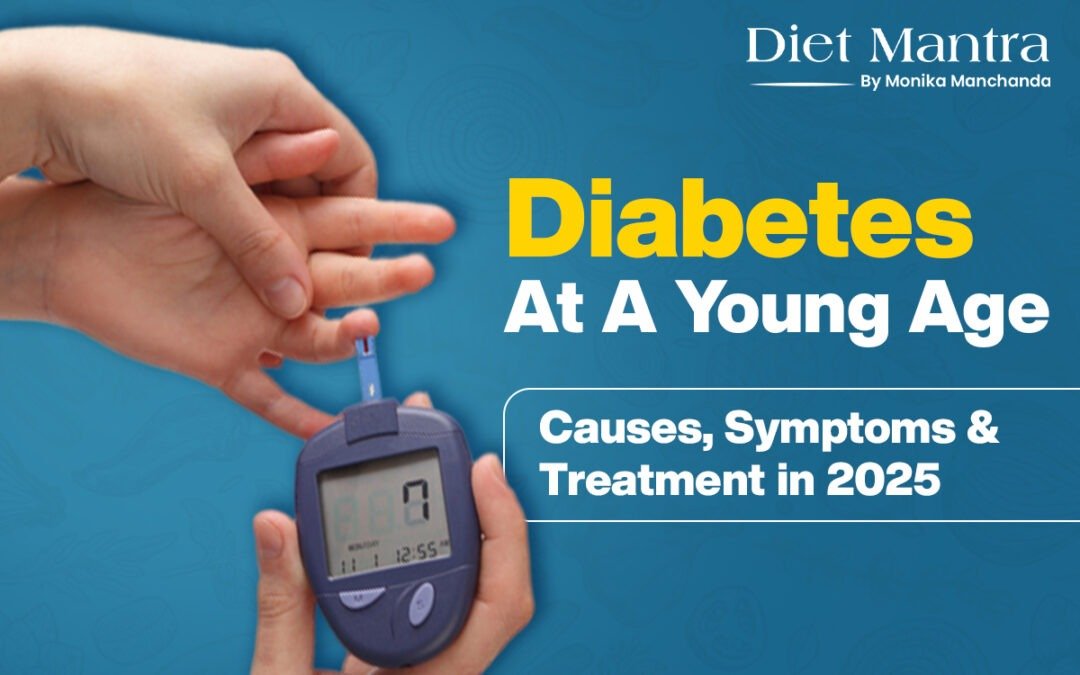
Diabetes at a young age is more prevalent than ever. People used to think this disease only appeared in people older than 40. But currently, we see diabetes in many teenagers, young adults, and some children as well.
Those changes raise concerns for parents, doctors, and youngsters themselves. For this reason, it is essential to learn about the factors, early symptoms, and treatment options available.
At Diet Mantra by Monika, we see many young people with diabetes in youth, and the majority of them feel perplexed as to what to do next. However, early awareness, lifestyle adjustments, and proper guidance can completely change your health.
In this blog, we will refine everything in a simple, easy-to-understand manner so you can start to gain control of your health.
Table of Contents
What is Diabetes at a Young Age?
Diabetes diagnosed in young people occurs in those aged under 30 years, such as in teenagers and young adults. The cause of onset of diabetes in the young population is usually due to insulin resistance, family history, poor lifestyle, stress, or hormonal changes.
There are mainly two types of diabetes that affect young people:
- Type 1 diabetes: When the body makes very little or no insulin.
- Type 2 diabetes in youth: When the body has increased insulin resistance due to obesity, inactivity, or poor diet.
Currently, type 2 diabetes in youth is rapidly increasing because of lifestyle patterns such as fast food consumption, lack of moderate exercise, repetitive screen time engagement, and sleep irregularity.
Why is Diabetes at a Young Age Rising?

1. Unhealthy Eating Habits
Junk food, sugary drinks, processed snacks, and low-nutrition meals have become commonplace for youth consumption. These foods elevate blood sugar levels, cause weight gain, and create long-term health problems.
2. Limited Physical Activity
Extended sedentary behavior (like prolonged sitting, online education and working from home, and increased screen time) has risen steadily. Not being active is a contributing risk to early-onset diabetes.
3. Genetic Factors
There is a greater chance of developing diabetes at a young age if a parent or grandparent has diabetes.
4. Stress and Sleep Deprivation
Young people today face high levels of stress due to studies, career pressure, and social comparison. Chronic stress affects hormones and increases the risk of insulin resistance. Poor sleep habits also increase blood sugar levels.
5. Obesity
Childhood obesity has doubled in recent years. Excess body fat makes it harder for insulin to work, leading to diabetes at a young age.
Some Typical Signs of Diabetes in Childhood
Being aware of and identifying signs is paramount for a young person’s development; undiagnosed diabetes could severely affect their growth, energy levels, and general health. Some signs should never be dismissed:
- Excessive Thirst and Urination: Diabetes will produce increased levels of sugar, leading to the body flushing out glucose. This may cause dehydration.
- Sudden Weight Loss: A child may lose weight despite regular eating; diabetes could affect the body’s use of sugar.
- Fatigue and Low Energy: A seemingly energetic kid may not feel so despite having slept well.
- Blurry Vision: High blood sugar may impact eye health and the ability to see clearly.
- Frequent Hunger: Food cannot be processed by the body, which may lead to increased hunger.
- Slow Healing of Wounds: Cuts and infections may take longer to heal.
If your child develops any of these signs, it is important to see the doctor to check blood sugar.
What Tests are used to Diagnose Diabetes in Young People?
Doctors can order one or more tests to check if diabetes is present in young people:
- A fasting blood glucose test
- HbA1c test
- Postprandial blood glucose test
- Insulin resistance assessment
- Lipid profile
In children and adolescents, early diagnosis is important to minimize the risk of long-term complications, including neuropathy, nephropathy, and retinopathy.
Treatment Options for Diabetes at a Young Age

Treating diabetes at a young age requires a combination of lifestyle changes and medical support. Here’s how you can manage it effectively:
1. Balanced & Structured Diet
Diet is the foundation of managing diabetes at a young age. A well-planned diabetic diet plan helps control blood sugar levels and prevents complications.
A good diabetes-friendly diet includes:
- Fiber-rich foods like oats, dal, beans, and vegetables.
- Lean proteins such as eggs, paneer, tofu, and chicken.
- Whole grains instead of refined flour.
- Healthy fats like nuts and seeds.
- Controlled portion sizes.
- Limited sugary foods or fried items.
A customized diet can make a huge difference, which is why at Diet Mantra by Monika, young patients receive personalized plans based on their health, lifestyle, and food preferences.
2. Regular Physical Activity
Physical activity in young adults enhances insulin sensitivity and promotes weight maintenance. Young adults should strive to include:
- 30-45 minutes of walking
- Biking, swimming, or playing sports
- Resistance training
- Yoga to reduce stress
All daily activity can immensely reduce the effects of diabetes at a young age.
3. Medication or Insulin (If Needed)
Some individuals, especially those with type 1 diabetes, may require insulin. Others may be prescribed oral medications to control blood sugar levels. The treatment plan varies for every person.
4. Stress and Sleep Management
Management of stress is pivotal in moderating early diabetes. Engagement in practices including meditation, breathing exercises, and proper sleep hygiene contributes to hormonal equilibrium.
5. Regular Check-Ups
Monitoring blood sugar, cholesterol, and weight at regular intervals is necessary for diabetes management at an early age.
How to Prevent Diabetes at a Young Age
Prevention is always better than cure. Small and simple steps can drastically reduce the risk of diabetes at a young age.
| Habit | Description |
| Eat home-made meals | Opt for fresh and home-cooked meals instead of outside or packaged meals. |
| Limit drinks & snacks | Avoid soft drinks, extracted juices, candy, or processed snacks. |
| Add fruits & vegetables | Add whole grains, dals, beans, and seeds to your meals. |
| Stay active every day | Exercise daily with activities like walking, sports, etc. for 30 – 45 minutes. |
| Maintain healthy weight | Utilize exercise to avoid being obese, which is linked to insulin resistance. |
| Sleep 7 – 8 hours | Quality sleep helps in hormone regulation and blood sugar stabilization. |
| Practice stress relief | Practice yoga, meditation, or diaphragmatic breathing to lower stress levels. |
| Limit screen time | Decrease screen time before bed for better sleep and to help manage stress. |
| Stay hydrated | Drink as much water per day as you can to help with metabolism. |
| Get regular checkups | Monitor your blood sugar & weight as well as your overall health consistently. |
With the right lifestyle and effort, young people can completely avoid or postpone the onset of diabetes.
Why Take Guidance From Diet Mantra by Monika?
Managing diabetes at a young age requires appropriate nutrition, lifestyle changes, and continued support. At Diet Mantra by Monika, we specialize in:
- Custom and practical diet and nutrition plans
- Long-term lifestyle changes
- Easy-to-follow meals
- Counseling for youth
- Support for parents and the youth
If you or your child are managing diabetes at a young age, you do not have to do this alone. With professional support, outcomes can be achieved sooner and be more effective.
Conclusion
Diabetes at a young age is becoming more prevalent, but it can be managed and even prevented if we act in a timely way—with a healthy diet, daily activity, regular check-ups, and medical attention in its early stages, we can be assured of a long and healthy life.
If you are searching for an individual plan or consultation using the expertise of a professional, please consider visiting the clinic of Diet Mantra by Monika or book an appointment online.
Keep following Diet Mantra by Monika on Instagram and YouTube for diet recommendations, health education, and real-life success stories to inspire your healthy living.
Frequently Asked Questions
1. Can diabetes at a young age be reversible?
Type 2 diabetes arising in young individuals usually is an illness that can be resolved and controlled through weight loss and diet and exercise. Type 1 diabetes is not reversible but manageable with lifetime treatment.
2. What foods should young diabetics avoid?
Young diabetic individuals should avoid sugary drinks, packaged snacks, white bread, fried foods, and excessive sweets. These foods have the potential to easily spike blood sugar levels.
3. Can stress cause diabetes at a young age?
Yes. Stress over the long term will impact hormones and increase the risk of insulin resistance, an early step toward developing diabetes.
4. How much exercise do young diabetics need?
At least 30–45 minutes per day of activity (such as walking, sports, cycling, or yoga) is helpful in managing blood sugars.
5. Can controlling diabetes just be lifestyle-change related?
In many cases, yes. A healthy diet, exercise, and adequatesleep can significantly improve blood sugar levels, especially in early diabetes.
Recent Comments